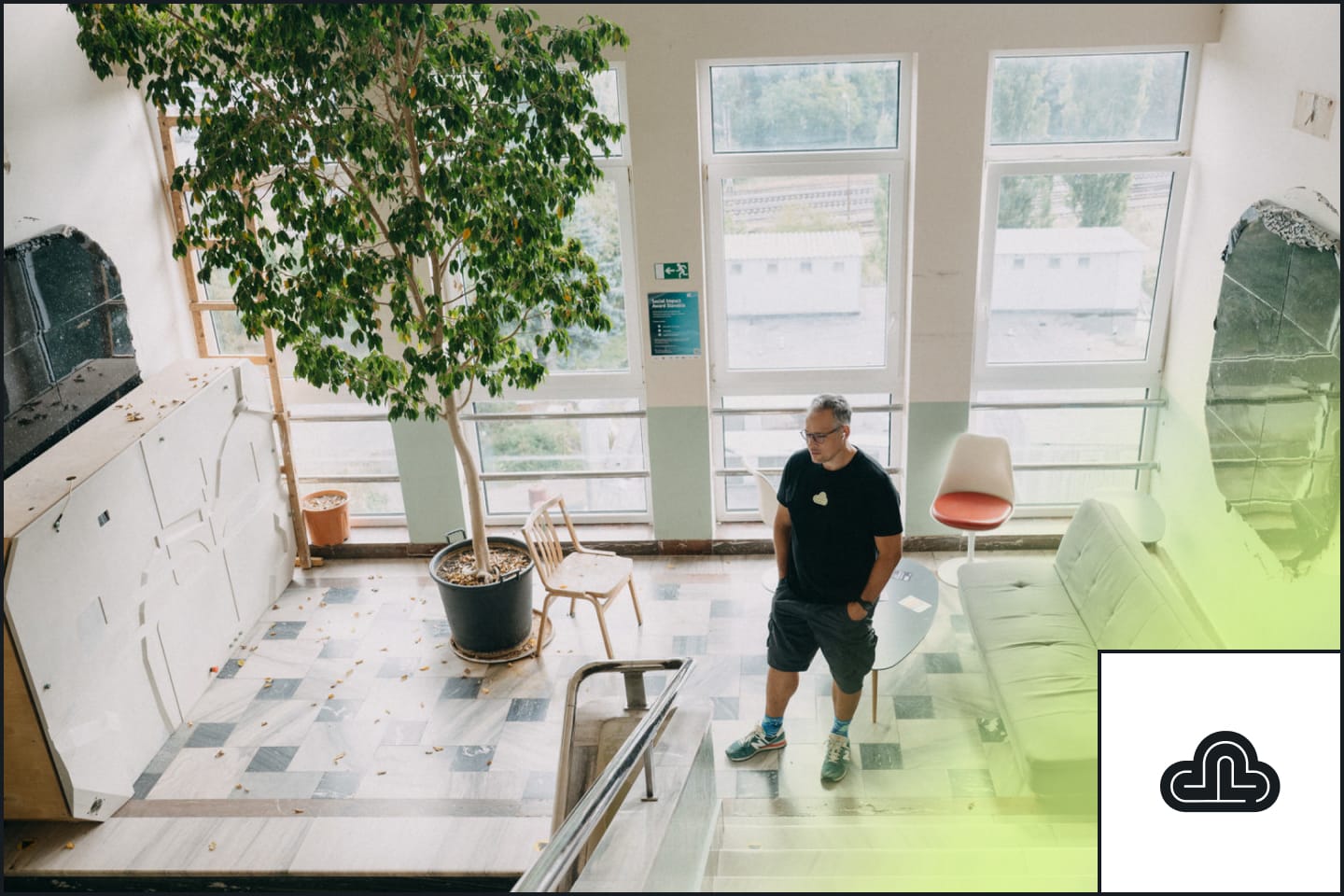
Martin Hauskrecht is Labyrinth Labs’ Head of Engineering and the 4th person to join the company. Since then, he’s been through pretty much everything: different roles, different offices, and representing us at more events & conferences than we can count. Above all, he’s a great [and probably the calmest] member of our cloud crew, who truly knows what he’s talking about, whether the topic is cloud, cost optimization, aquariums or 3D printing [you name it].
That made Martin the obvious first guest for Behind the Clouds, our new series where we take a closer look at the people behind Labyrinth Labs: how they found their way here, what keeps them busy every day, and what they really think about the company [#nobullshit guaranteed]. Let's get to it!
You joined Labyrinth Labs more than seven years ago, right after graduating from the Faculty of Informatics & Information Technologies [FIIT STU]. What made you decide to join such a small company back then?
Back then, I was looking for a job as I was finishing my studies at FIIT, and I wasn't really sure what I wanted to do. I didn't know whether I wanted to become a programmer or which field I wanted to pursue.
I happened to meet Adam, our CEO at the time, completely by chance, and we had a chat about what they were building. The company had only three people and was just getting started, which immediately caught my attention.
When Adam explained what they did, they also gave me a small task to introduce me to DevOps and see what I was capable of. I found it genuinely interesting, so I decided to join. I also liked the idea of working for a small company instead of a large corporate environment.
Your title is Head of Engineering. What does that actually mean in practice?
At a company our size, job titles are pretty flexible. Today, I spend most of my time helping our sales team explain what our cloud-native platform LARA does and working with customers to understand the challenges they're facing. I help prepare tailored solutions and create offers that actually solve their problems.
A big part of my work is also focused on the product itself. We spend a lot of time discussing where we want to take it next, what challenges we should tackle, building internal tools, and automating different parts of the company.
Earlier in my career, my role was much more technical. I worked directly on customer projects, designed infrastructure, managed parts of the engineering team, and conducted technical interviews. The role has changed a lot over the years, and I think it will continue to evolve in the future.
So today, you spend much more time talking to customers than writing code. Do you ever miss being hands-on?
I still find opportunities to stay hands-on through the internal tools we're building and some of the customer solutions we're developing, such as cost visibility. That still gives me enough space to build things, so I don't really miss working on infrastructure every day anymore.
You've essentially grown alongside Labyrinth Labs. What's been the biggest lesson you've learned along the way?
The biggest lesson has probably been realizing that designing infrastructure and technical solutions isn't only about technology. In many cases, it's not even mainly about technology. It's about understanding how people work, what they need, and how they approach different challenges. When you're designing a solution, you have to make decisions based not only on technical requirements, but also on the people who will use it and the problems the solution is supposed to solve.
Technical excellence is important, and engineers naturally focus on that. But if you want to build a great solution, you also have to think about everything around the technology. Those things are often just as important in the long run.
Your technical background is still a huge part of your work. How does it help when discussing architectures and platforms with customers?
I think it's essential. It's what allows me to have meaningful conversations with customers in the first place. One thing that's really important to us as a company is delivering solutions we genuinely stand behind. Having spent years designing infrastructure, working hands-on, and delivering customer projects allows me to understand our customers much better. Most of the time, we're talking directly to DevOps engineers and technical teams, so being able to think the way they think makes a huge difference.
It also helps me act as a bridge between our sales and engineering teams. I understand both perspectives and try to balance the needs of each side. That's a fundamental part of how we work.
From different perspective, what's one thing that has completely changed since you joined, and one thing that hasn't changed at all?
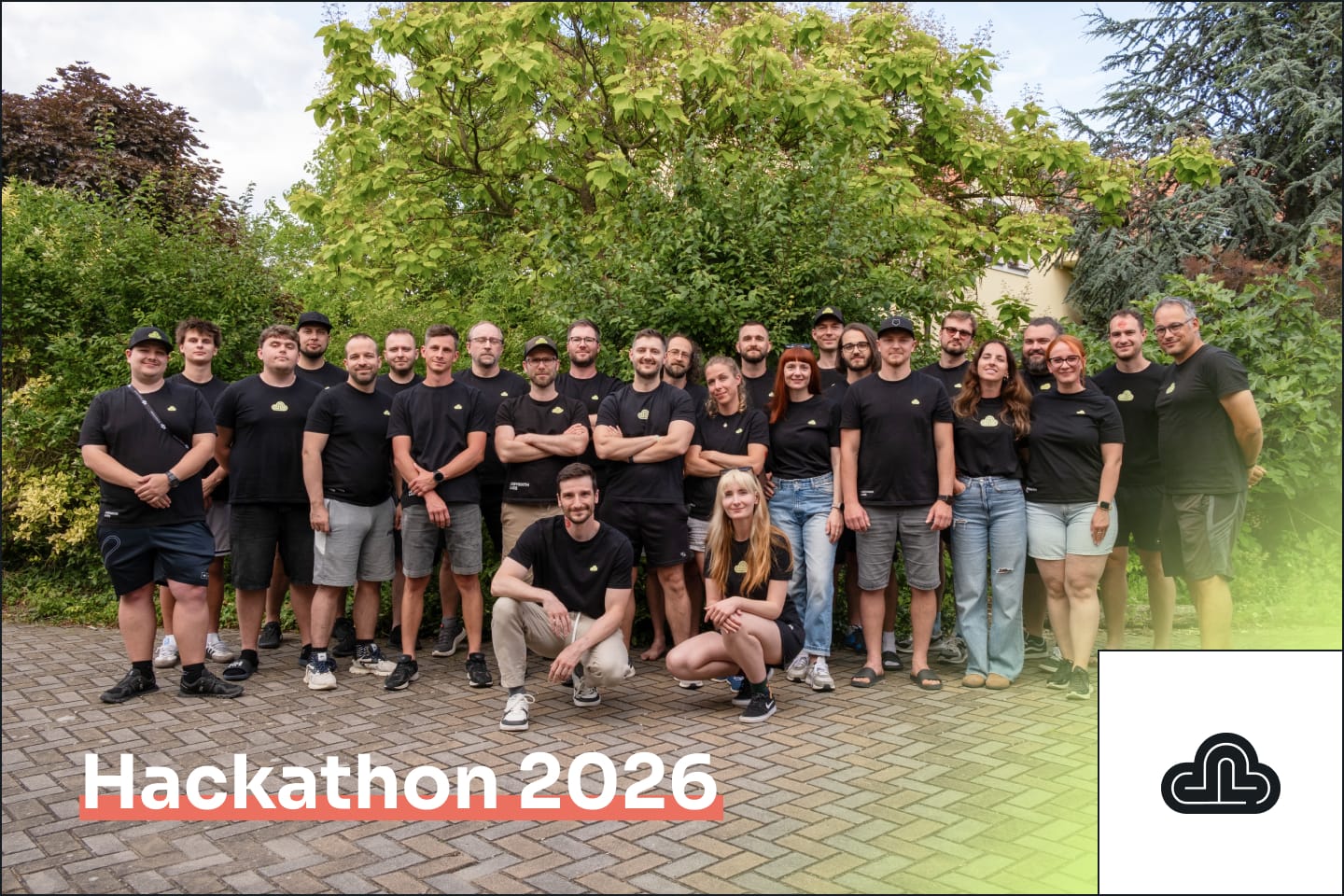
A lot has changed. When I joined, there were only four or five of us. As the company grew, we built dedicated sales, HR and marketing teams. Back then, none of that existed. We were simply a group of engineers doing technical work.
The way we work has changed as well. At the beginning, we built custom projects for every customer. Today, we work around LARA and a product-driven approach, which allows us to work much more efficiently and deliver better results.
The technology landscape has changed too. I remember having to explain what Kubernetes was and why companies should use it because it was still something very new. Today, almost everyone comes to us asking for Kubernetes, even in situations where it might not actually be the right solution.
One thing that hasn't changed is our culture. The company has grown significantly, but we're still a group of people who genuinely enjoy working together. Being able to preserve that culture while growing is something I think is incredibly valuable.
What's one technology or engineering trend you think people tend to overcomplicate today?
I think it goes back to what I mentioned before. People often adopt technologies simply because they're new. Engineers naturally enjoy exploring new tools, and I'm exactly the same. I like learning what's new and experimenting with different solutions. But in the real world, technology should always be chosen based on the problem you're trying to solve. There's no point introducing something overly complicated for a relatively small challenge. Overengineering is probably the biggest trap people fall into, and I don't think that's going to change anytime soon.
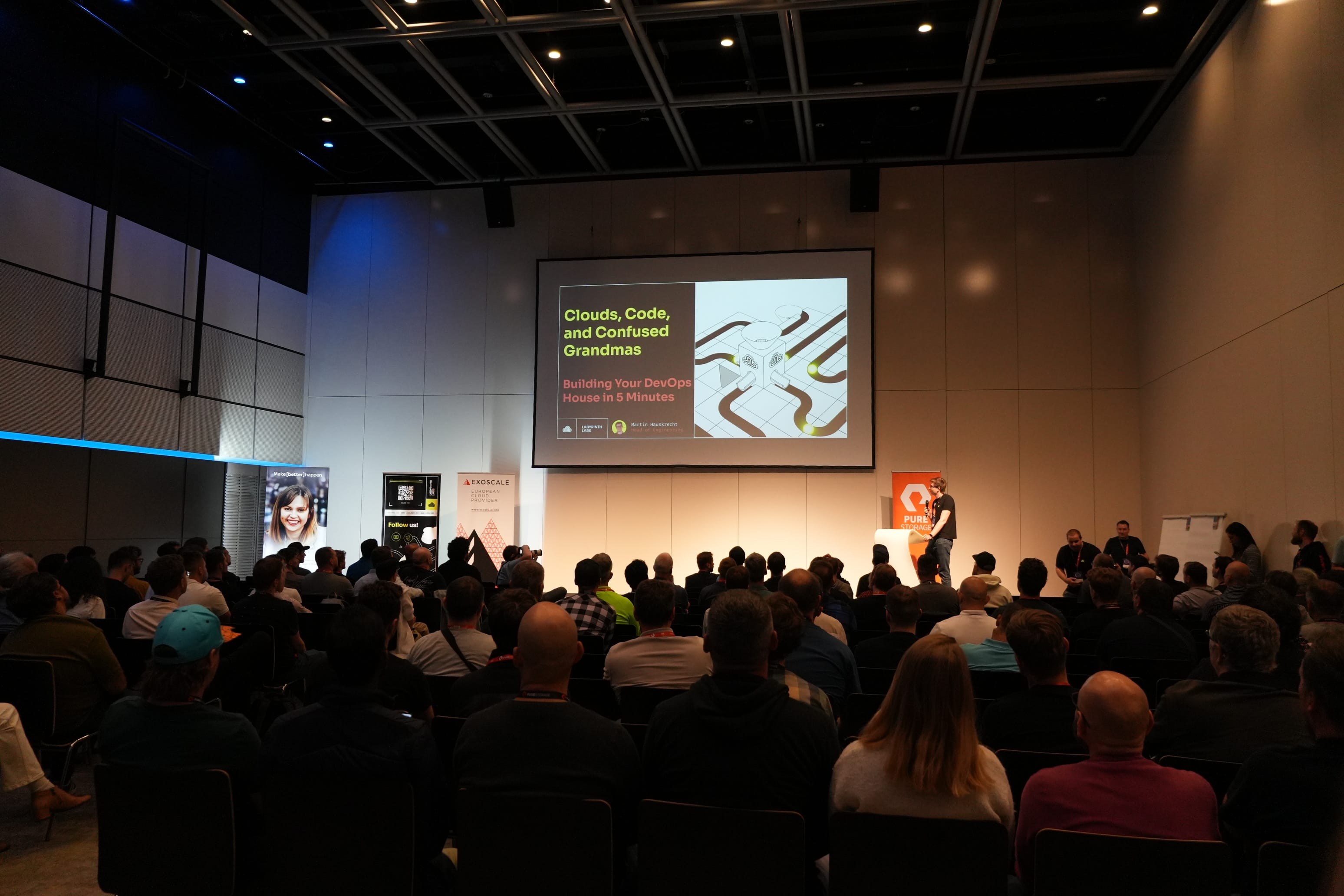
When you look back at your time at Labyrinth Labs, what's something you're especially proud of?
There are a lot of things we can be proud of. We started as a team of four or five people, and over the past seven years we've grown to around thirty. We've become an AWS Partner, which isn't an easy achievement, and we've delivered dozens of successful projects for customers across different industries. More importantly, we've helped many of those companies solve real problems and support their own growth through the solutions we've built together.
I'm also incredibly proud of the team we've built. We have amazing engineers, but equally amazing people outside engineering. Finding those people, keeping them here, giving them opportunities to grow, and making sure they enjoy the work they do is something I think we can all be proud of.
Finally, what's one thing your teammates would probably say you're known for?
I guess it depends on who you ask. But the people I work with most closely would probably say that I'm good at being a diplomat. I often help bridge conversations between people who don't always see things the same way and try to find common ground.
This is my Behind the Clouds story, wanna find out what's there for you? See what positions we've got currently open!